
A cruise worth taking your time over
Cruising Guides · Information reviewed 13 November 2026
There’s something rather satisfying about leaving the Solent astern and heading west. The familiar waters around the Isle of Wight gradually give way to the Dorset coast, then the open stretch of Lyme Bay, and eventually the beautiful harbours and rivers of Devon and Cornwall.

Keyhaven in the western Solent, from the Area 15 archive.
For cruising sailors, the West Country offers interesting passages, attractive harbours, peaceful anchorages and places where spending an extra day or two is hardly a hardship. You could make good progress towards Dartmouth in a couple of suitable sailing days, or take a fortnight getting there. Neither approach is wrong, although the second probably involves more pubs.
This guide follows the journey from the Solent towards Falmouth, with places worth visiting and things to consider along the way. It’s for sailors who already know their way around a boat but would appreciate a little help deciding where to go and what to expect.
Heading west from the Solent
For most sailors leaving from Portsmouth, Southampton or the western Solent, the first decision is whether to make a leisurely coastal passage or push on towards Weymouth. Work back from the tides at the Needles and the Dorset headlands rather than choosing a departure time simply because it suits breakfast.
Poole Harbour is an obvious possible stop if you fancy a shorter first day. Its busy entrance, commercial traffic and chain ferry need attention. Poole Harbour Commissioners’ pilotage plan says that vessels other than those under a PHC pilot or pilotage exemption certificate must give way to the chain ferry, and that sailing vessels with engines should use power through the entrance. Check the current harbour guide and local notices before arrival.
Swanage is another attractive possibility in suitable conditions, with its traditional seaside town and sweeping bay. It isn’t an all-weather refuge: choose any anchorage for the actual wind and swell, with a workable alternative if conditions change.
The coastline towards Weymouth includes some of the most impressive scenery in southern England. Places such as Lulworth Cove are a reminder that arriving by boat gives you a completely different perspective. They are possible diversions when conditions and range restrictions permit, rather than guaranteed stopping places.
The Dorset coast: not quite as straightforward as it looks
St Alban’s Head, also known as St Aldhelm’s Head, needs proper passage planning. Assess the headland, charted races and overfalls using current charts, tidal-stream information and a pilot book. Wind against tide can make an otherwise attractive coastal leg uncomfortable; a line drawn close to the shore is not a passage plan.
There is also the Lulworth military firing range. Vessels must stay outside the active sea danger area. The MOD firing notices provide the current programme, but timings can change. Check the sea danger areas affecting your route and current range information before setting off; don’t assume a weekend means the range is inactive.
The sensible approach is to plan around the tides, weather and restrictions while retaining some flexibility. There is little pleasure in reaching a headland at exactly the wrong moment because the original plan said you’d be there for lunch.
Weymouth: a good place to stop
Weymouth makes a useful stopping point on a cruise west. The harbour is right in town, with shops, pubs, restaurants and the beach within easy walking distance.
Most harbour visitor berths are alongside floating pontoons. Contact Weymouth Harbour on VHF channel 12 before entering for berthing advice, and consult the visitor information for bookings and arrangements outside office hours. Allow for rafting at busy times and check bridge arrangements if your berth is beyond the town bridge.
It’s also a good place to take stock before Portland Bill and Lyme Bay. If you’ve been pushing against unhelpful weather, there’s nothing wrong with another night here. It’s a holiday, after all.
Portland Bill and crossing Lyme Bay
Portland Bill deserves respect. Strong tidal streams and the Portland Race make this one of the significant planning points on the passage west. Weymouth Harbour’s passage-planning guidance warns that the Race can be treacherous, especially at springs, and should be avoided.
There are inshore and offshore passage options, but neither is an automatic choice. Decide your route and timing from current charts, tidal information, detailed pilotage guidance, the forecast and your crew’s experience. This overview deliberately gives no fixed offing or tidal departure rule: a simple number would hide the decisions that matter.
If using Portland Harbour as a stop, check Portland Port’s navigation guidance. North Ship Channel is the main leisure entrance; East Ship Channel is principally used by commercial shipping, and the port requests a call to Portland Harbour Radio on channel 74 before transiting it.
Once around Portland, crossing towards Torbay or Dartmouth is a logical next leg for many yachts. It is a substantial period at sea, with fewer convenient alternatives than the earlier coastal stages. Plan for the passage your boat can actually make, including a slower crossing, rather than relying on the best average speed you have ever seen on the log.
Wind direction and swell matter as much as wind strength. Prepare the boat and crew, decide on suitable alternatives before committing, and retain enough daylight and energy for the arrival. If the forecast isn’t suitable, stay put. The West Country isn’t going anywhere.
Dartmouth and the River Dart
Dartmouth is one of those places that seems designed for visiting yachts. The entrance, framed by historic castles, leads to Dartmouth on one bank and Kingswear on the other. There are pontoons, swinging moorings and marina berths, with plenty to explore ashore.
Dart Harbour’s visitor guidance confirms that selected Dartmouth and upriver visitor berths can be booked in advance from 2026. Only part of the available space is bookable, so a full online booking display doesn’t necessarily mean the harbour has no room. Check the vessel and draught limits for the berth, and contact the harbour office for multihulls, deeper-draught or larger boats rather than assuming an online booking will suit.
For allocation advice, contact Dartnav on VHF channel 11. Rafting may be needed at busy times, and the harbour asks booked visitors arriving after 7pm to let it know in advance. Read its latest conditions when planning your stay.
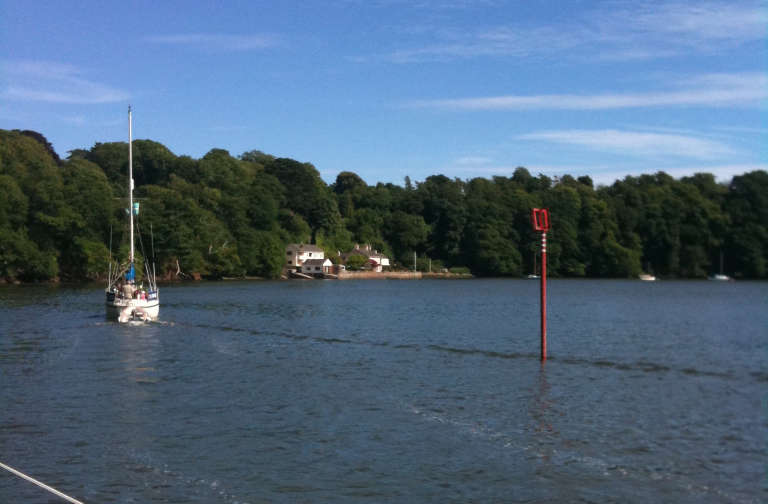
One of the real pleasures is heading upriver. Dittisham, with waterside cottages and visitor moorings, is particularly attractive. Further upriver the scenery becomes increasingly rural, but depths, tides and the limits of individual moorings need attention. The intention to stay one night can very easily become three.
Torbay, Brixham and the South Devon coast
Dartmouth isn’t the only option after Lyme Bay. Brixham and Torquay provide other possible stops around Torbay; the choice should reflect your approach, the weather and confirmed berthing arrangements, as well as what you fancy doing ashore.
Continuing west from Dartmouth brings headlands, beaches and river entrances. Plan Start Point and the other exposed corners with the same care as the earlier headlands. Resist the temptation to hurry through: a cruising holiday isn’t a delivery trip, and shorter passages leave time to explore.
Salcombe: beautiful, but check the entrance
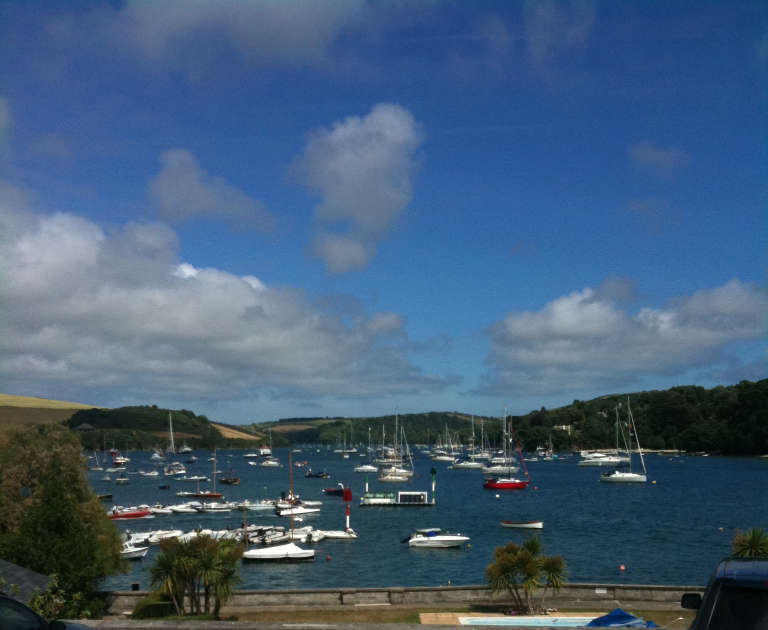
Salcombe has long been a favourite with cruising sailors. Sandy beaches, wooded creeks and a town beside the estuary make a strong case for stopping. In high summer, however, don’t expect to have it to yourself.
The entrance needs particular care. Salcombe Harbour Authority’s official pilotage guidance warns against crossing the bar on the ebb with strong onshore wind or swell. Work out the clearance for your boat and conditions from current tidal and chart information; shelter inside doesn’t make the approach safe.
Check current notices and visitor arrangements before arrival; the harbour authority uses VHF channel 14. Once safely inside, this is a lovely place to slow down and explore.
Plymouth: a practical cruising stop
Plymouth is a major port with naval, commercial and recreational traffic. For a visiting yacht it can also be an extremely useful stop for supplies, chandlery, repairs or a change of crew.
Before arriving, read the King’s Harbour Master Plymouth notices, navigation warnings and directions, and check shipping movements and the instructions for your chosen marina. Keep clear of shipping channels when required and follow current local directions; the Sound is shared working water.
The surrounding waterways reward a longer visit too. There is no need to treat Plymouth simply as somewhere to refuel before Cornwall.
Into Cornwall: Fowey and Falmouth
Fowey is one of the most attractive stops on this coast, with the town climbing above the river and plenty of reasons to go ashore. It is also a working port. Check Fowey Harbour’s visitor information and current harbour guide for suitable moorings and pontoons, and seek advice from the harbour team on channel 12. Watch for commercial movements and follow harbour patrol directions.
Further west, Falmouth is a natural destination for a longer cruise. Visitor options include a marina, deep-water moorings and a designated anchorage, with access to the River Fal and surrounding cruising waters. Check the current visitor information and navigation guidance, particularly commercial shipping movements.
The inner-harbour anchorage has specific conditions. Falmouth Harbour requires anchored craft to have a working engine and provide contact details so they can move at short notice for shipping. Boats must not be left unattended there overnight. Harbour dues apply; confirm that the anchorage suits your plans before choosing it.
Ashore, Falmouth offers shops, chandlers and the National Maritime Museum Cornwall. It’s an excellent place to spend a few days if the weather decides your sailing holiday should become a harbour holiday. With more time, the Helford and other Cornish waters offer further possibilities, but they deserve guides of their own.
How long should you allow?
The answer depends on your boat, crew and the holiday you want. A determined crew making longer passages in favourable weather can cover the ground far faster than someone who prefers short days and regular stops.
As a holiday-planning starting point, around two weeks for Devon and back allows more flexibility than squeezing the trip into a few days. For Falmouth, time to explore and a return to the Solent, three weeks or more may feel considerably more comfortable. These are editorial suggestions, not passage-time guarantees.

Peyto under sail during an earlier Solent cruise. Photograph from the Area 15 archive.
A slower boat, an unhelpful weather pattern or a crew who enjoy exploring ashore can change the timetable completely. Allow real time for the return: the weather that helped you sail west may be less accommodating when you want to go home.
A few things worth remembering
Before leaving, consider the whole cruise, not just the first passage.
- Check current charts, sailing directions, tide tables, forecasts and Notices to Mariners.
- Plan significant headlands with enough margin for the boat and crew.
- Check the active military sea danger areas along the Dorset coast.
- Identify sensible alternatives before longer passages and reassess them as conditions change.
- Confirm visitor berthing, harbour restrictions and seasonal facilities directly.
- Prepare the boat, safety equipment and crew for the passages you intend to make.
- Keep enough flexibility to change plans and enough time to get home.
None of this needs to turn a holiday into a military exercise. A little preparation gives you more freedom to enjoy yourself once underway.
Useful official information
These links are starting points for planning. Recheck the current information before each relevant leg; this guide does not replace it.
- Poole Harbour Commissioners: harbour guide.
- Weymouth Harbour: visitor berths and passage planning.
- MOD: Lulworth firing notices.
- Portland Port: navigational safety.
- Dart Harbour: visitor berths and booking.
- Salcombe Harbour: pilotage.
- KHM Plymouth: notices, navigation warnings and directions.
- Fowey Harbour: visitor information and current harbour guide.
- Falmouth Harbour: visitors and navigation.
Have you cruised the West Country recently?
Sailing information changes. Berthing arrangements alter, facilities come and go, and another sailor’s recent experience can make a useful difference to a cruise.
If you’ve sailed this coast recently, please leave a comment below. Corrections, additions, harbour updates, photographs and ideas for places worth visiting are welcome from members and visiting sailors. Include the date of your visit and, for a factual correction, an official source if you can.
Comments are moderated before publication. Useful contributions can inform future revisions after checking; a comment is not itself verified navigation advice. After all, some of the best cruising conversations start with another sailor over a drink.
About this guide
Information reviewed: 13 November 2026.
This guide is for general cruising research and destination planning. It is not a pilot book or navigational instruction. Always use current official charts, sailing directions, weather forecasts, tidal information and Notices to Mariners when planning and undertaking a passage.
Have a quick correction? Leave a comment below. For a longer account of your West Country cruise or photographs to go with it, share your experiences with Area 15.